Why Professional Mouse Exclusion Services Matter for Lasting Pest Control
When Trapping Alone Isn't Enough
For years, I handled mice the way most people do: buy a few snap traps, set them along the baseboards, and wait for the telltale snap. It works for a while, but eventually a new mouse finds its way in, and the cycle starts over. That's when I realized trapping is only half the battle. The real solution lies in keeping them out in the first place. That's where professional mouse exclusion services become essential, especially for homeowners in places like Cleveland, Tennessee, where the landscape and seasonal changes create plenty of opportunities for rodents to seek shelter indoors.
Understanding Rodent Exclusion vs. Rodent Control
Rodent control usually refers to the act of killing or removing mice and rats that are already inside. Rodent exclusion, on the other hand, is the process of sealing off every possible entry point so they never get in again. A good Integrated Pest Management plan includes both, but exclusion is the long-term investment. Mouse exclusion services focus on identifying gaps, cracks, and structural weaknesses, then using the right sealing materials to close them permanently. It's not glamorous work, but it's the kind of work that saves homeowners from repeated infestations.
Common Entry Points You Might Overlook
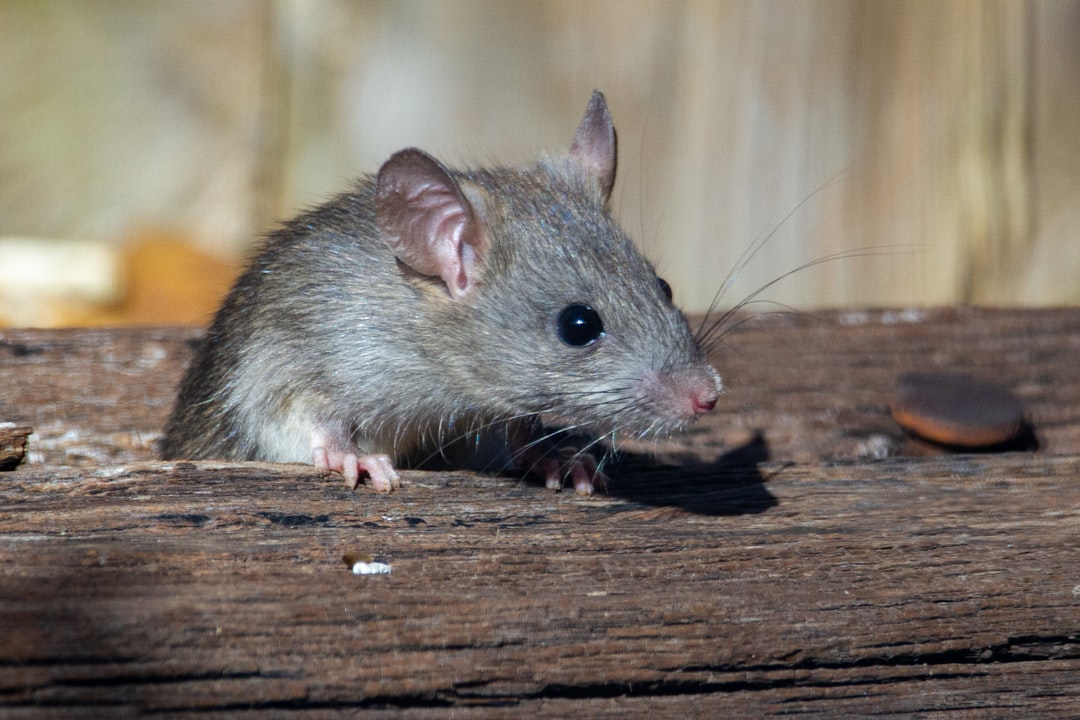
Mice are remarkably good at squeezing through tiny openings. A gap the size of a dime is enough for a young mouse, and rats can fit through holes as small as a quarter. Over the years, I've seen entry points in places most people never think to check. Garage doors are a classic one. The rubber seal at the bottom often leaves a quarter-inch gap, especially on older doors, and mice walk right under it. Foundation vents are another favorite. The plastic or metal grilles can rust or crack, and the dark space behind them is a perfect highway into the basement or crawl space.
Other common spots include gaps around utility lines, where pipes and wires enter the house, and the roofline, where soffits meet the siding. Even a tiny separation between the foundation and the sill plate can be an open door. Professionals who offer mouse exclusion services know exactly where to look. They use a systematic inspection, often starting at the roofline and working down, because mice can climb almost any vertical surface.
Materials That Actually Work
Not all sealing materials are created equal. I've seen homeowners try to patch holes with expanding foam or even duct tape, but mice chew through that stuff in minutes. The industry standard for lasting exclusion is a combination of materials. Steel wool is a favorite because mice cannot chew through it, and it can be stuffed into small gaps before applying a layer of caulk to hold it in place. For larger openings, hardware cloth - a heavy-duty galvanized mesh - is the right choice. It's rigid enough to resist gnawing and can be cut to fit vents, soffits, and crawl space openings.
Caulk itself needs to be a high-grade, exterior-grade silicone or polyurethane that stays flexible in temperature swings. In Cleveland and across Tennessee, where summers are humid and winters can dip below freezing, a rigid seal will crack and open up again. The right sealant expands and contracts with the house, maintaining a barrier that lasts for years. That kind of attention to detail separates a real exclusion job from a quick patch.
Trapping as a Complement, Not a Cure
Even the best exclusion job may leave a few rodents inside, especially if the infestation started before the sealing work began. That's why trapping remains an important part of the process. Havahart traps offer a live-catch option for those who prefer not to kill, though they require regular checking and relocating mice a good distance away. TOM CAT glue boards are a simple, low-cost solution for monitoring, but they are not always humane. Victor Electronic Traps provide a quick, clean kill and are easy to dispose of, while traditional snap traps remain effective if set correctly.
The key is to use trapping as a tool within a broader prevention strategy. A professional who understands Integrated Pest Management will never rely solely on traps. They know that if you haven't sealed the house, you are just thinning the herd, not solving the problem. That is the difference between a one-time service and a lasting solution.
Health Risks That Go Beyond Annoyance
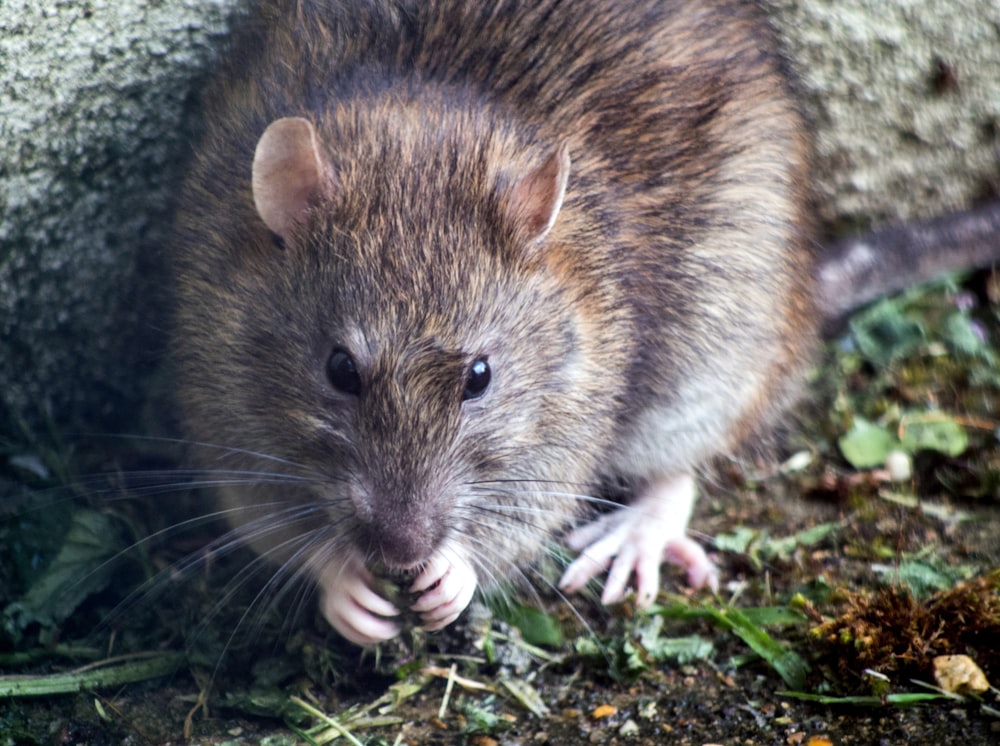
Mice are not just a nuisance. They carry diseases, contaminate food, and cause structural damage by gnawing on wires, insulation, and even plumbing. One of the more serious risks is Hantavirus, which can be transmitted through contact with mouse droppings, urine, or saliva. Inhaling dust from dried droppings is a known route of infection. That is why the cleanup phase of any rodent removal should be done with caution, ideally by a professional wearing protective gear and using proper sanitation methods.
The national Pest Management Association has published guidelines for safe cleanup and exclusion practices, and reputable companies follow them closely. For a homeowner in Cleveland, Tennessee, understanding these risks makes it easier to see why mouse exclusion services are not an optional extra but a critical step in protecting your family.
Rodent Proofing Your Home Step by Step
Rodent proofing is the practical side of exclusion. It involves a thorough inspection, followed by sealing, and then a period of monitoring to make sure the work holds. A good service will start outside, checking the foundation, garage doors, foundation vents, and any utility penetrations. They will look at the roofline, where gaps can form under the eaves. Inside, they inspect the attic, basement, and crawl spaces for signs of activity: droppings, gnaw marks, and nesting materials.
Once the entry points are identified, the sealing begins. Steel wool and caulk are used for small gaps. Hardware cloth covers larger openings like vents and soffits. For gaps around pipes, a specialized sealant or an escutcheon plate may be used. The goal is to create a continuous barrier that a mouse cannot breach. After the sealing is done, traps are set inside to catch any mice that were already present. This combination of structural repairs and targeted trapping is what makes rodent exclusion so effective.
The Long-Term Value of Professional Work
Some homeowners try to tackle exclusion themselves, and I respect the effort. But the truth is, a professional brings experience and the right tools. They know how to spot a crack that is barely visible. They understand the building science behind why a particular gap formed in the first place. They also have access to commercial-grade sealing materials that last longer than anything at a hardware store. Over the long run, the cost of professional mouse exclusion services is far less than the damage a single family of mice can cause in a year.
In Cleveland, Tennessee, where older homes and new construction alike face pressure from field mice and rats, the demand for reliable prevention has grown. Homeowners who invest in professional rodent exclusion rarely deal with repeat infestations. They might see the occasional mouse that slips in through an open door, but the chronic problem disappears. That peace of mind is worth paying for.

Choosing the Right Approach
Every home is different. A century-old farmhouse with a stone foundation has different vulnerabilities than a modern subdivision house on a slab. That is why cookie-cutter solutions rarely work. A good provider of mouse exclusion services tailors the plan to the specific building, the local rodent population, and the homeowner's budget. They explain what they are doing and why. They don't just seal everything in sight; they prioritize the most critical entry points first and then move to secondary ones.
If you are dealing with an ongoing mouse problem, the most effective step you can take is to stop thinking about trapping alone. Combine it with a serious effort to rodent proof your home. That means hiring someone who knows what they are doing, who uses the right materials, and who stands behind their work. Prevention is always cheaper than cure.